
A call from 9565730100 carries a South Texas area code, 956, and a ten-digit address that your phone company routed to you. It does not carry a verified name. No owner is confirmed here, and the useful question is how much trust a screen display deserves, which is the subject below.
| Country code | +1, shared by the United States, Canada and several Caribbean nations |
| Area code | 956, South Texas along the Mexican border |
| Exchange | 573, a three-digit block inside that area |
| Line | 0100, the last four digits |
| Other formats | (956) 573-0100, 956-573-0100, +1 956 573 0100 |
| Holder | Not named or confirmed on this page |
The anatomy of 9565730100, block by block
North American numbers are built in the same three parts, and 9565730100 is no exception. The first block selects a region, the second a group of lines within it, the third a single line. This design dates from the days when switching equipment read the digits in order, and it still shapes how phone companies route calls today.
What the blocks do not do is encode a name, a trade or an address. You can know that 956 is a region and 573 a block of numbers, but who currently uses the line is held in billing records at a phone provider, and those are not public. The same applies to every number you will ever look up.
What the 956 code behind 9565730100 stands for
The 956 code serves the southern tip of Texas, including the Rio Grande Valley cities of Brownsville, Harlingen, McAllen and Edinburg, as well as Laredo further along the river. It was split off from the older 210 area, which stayed centred on San Antonio.
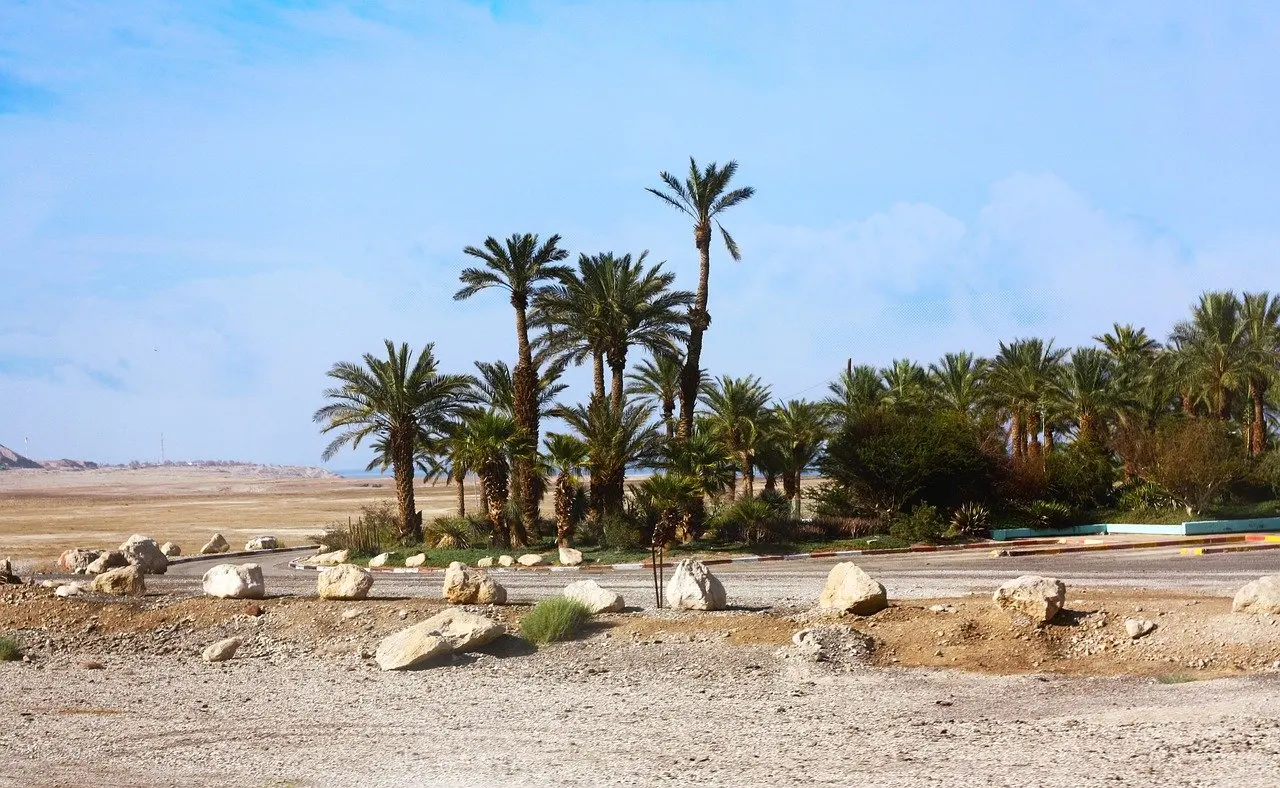
The region has close ties to northern Mexico, with a great deal of cross-border commuting, family contact and trade, and its numbers appear on calls of every kind. That is context, not evidence about 9565730100. Plenty of people hold a 956 number without living in South Texas any longer, and plenty of calls displaying one start elsewhere.
How a call from 9565730100 travels to your phone
A call is not a single wire. It starts on a phone, a computer or a calling platform, passes through the sender’s provider, may cross one or more carriers, and arrives at yours. Each step adds a small piece of information, including the calling number the sender wants displayed. Your carrier receives that number and shows it.
This matters because the displayed number is a claim, made at the start of the chain. Providers that originate calls are supposed to use only numbers their customers are entitled to present, yet mistakes happen and bad actors exploit gaps. An honest sender, a careless one and a deliberate faker can all produce the same string on your screen: 9565730100.
Caller name and call authentication on 9565730100
Two features often make an unknown call feel more official than it is. The first is the caller name that some phones show beneath a number. This is usually pulled from a database that carriers or apps keep, and entries can be old, incomplete or based on a previous holder of the number. A name displayed with 9565730100 would be a lead to follow, not a fact.
The second is call authentication. In the United States and Canada, carriers use a framework known as STIR/SHAKEN, which lets the originating provider sign a call and lets the receiving one check that signature. Some phones now show a verified tick or a warning based on it. A tick suggests the displayed number was properly presented. It does not tell you the caller’s intentions, and a missing tick does not prove anything is wrong. Treat these markers as hints that are useful in combination with your own checks.
Why 9565730100 can look familiar and still mislead
Scammers and marketers sometimes pick numbers that share the first six digits with yours, hoping you will assume a neighbour or a local business. Whether or not that has happened with 9565730100, the habit explains why familiarity is a poor test. Some people also get calls that appear to come from their own number, which is plainly impossible and shows how freely a display can be chosen.
Reassigned numbers add another wrinkle. A line used by a business last year may belong to a private person now, and old directory entries do not update. If a search shows 9565730100 listed under a name, ask how recent the listing is before you accept it.
Voice systems add a last complication. Many organisations place calls through shared platforms that rotate between several outgoing numbers, so two calls about the same matter can arrive from different lines, and a return call to one of them may reach a switchboard that never made the original call. That is why a callback number should come from the organisation’s own paperwork. The line that rang your phone, including 9565730100, may be one-way only: it can place calls without being able to receive any.
Texts follow the same logic. A message shows a sending number, and it can be set the same way a call display can. Short links in a text deserve extra care, because they hide the real destination until you tap.
A practical routine for any call from 9565730100
- Do not give out information on the call. Ask for the name of the organisation and the reason for calling.
- End the call politely if you are asked for a code, a payment or remote access. Real organisations expect you to hang up and verify.
- Find the organisation’s number yourself, from a statement, a card or its official website, and call that number.
- Search 9565730100, 956-573-0100, (956) 573-0100 and +1 956 573 0100 in quotation marks, and read results sceptically.
- Write down the date, time and wording, and keep any voicemail.
None of this requires knowing who 9565730100 belongs to. It works because it replaces trust in the screen with a check you control.
When 9565730100 keeps calling
Repeated calls from one number are irritating, but repetition alone tells you little. Automated dialling systems retry, and a business following up on a form you filled in may call more than once. Persistence matters more when it comes with pressure.
If you want it to stop, block the number. On an iPhone, open the entry in Recents, tap the info icon and choose to block the caller. On Android, press and hold the number in the Phone app and select Block. You can also turn on your carrier’s spam filtering and, in the United States, add your number to the National Do Not Call Registry, which covers legitimate telemarketers, not scammers. Reports of unwanted or fraudulent contact can go to the Federal Trade Commission, or the Canadian Anti-Fraud Centre for Canadian residents.
If you already shared a password or payment detail, change the password and call your bank on the number printed on your card. Blocking and reporting 9565730100 should come second to protecting your accounts.