Planning a stay of a week or more and wondering how extended stay hotels work? They are hotels with kitchens, weekly housekeeping and nightly rates that fall the longer you stay, usually from five nights.
This guide sits within our overview of types of hotels, and it explains how the extended stay model differs from a regular hotel room.
| Item | Value |
|---|---|
| Typical extended stay threshold | Five consecutive nights or longer |
| Short-term, mid-term and long-term segments | 5-11 nights, 12-29 nights and 30+ nights |
| Typical weekly discount | 15-30% off the base nightly average |
| Typical monthly discount | 35-45% below the base nightly rate |
| 30-day stay at one managed brand | $2,800 to $5,600 all-in |
These figures come from Sonesta’s guide to what counts as extended stay and its 30-day cost guide. Rates, discounts and rules can change, so check the source before you rely on them.
What counts as an extended stay?
Sonesta’s guide, dated July 9, 2026, says any booking of five consecutive nights or longer qualifies as an extended stay. At that point the hotel model shifts from a temporary room to something closer to a temporary apartment, as described in the same guide.
The guide then splits the category into three duration segments:
- Short-term (5-11 nights): often business mixed with leisure, where guests need a kitchen, reliable Wi-Fi and a workable desk.
- Mid-term (12-29 nights): corporate assignments, training rotations and regional moves, where guests need cooking, laundry and some separation between work and sleep.
- Long-term (30+ nights): relocations, temporary medical stays and long consulting contracts, where monthly rates produce the biggest per-night savings.
The category is also growing. A Corpay Lodging (CLC) page dated May 9, 2023 said demand for extended stay was outpacing supply in most U.S. markets, and that Hyatt Hotels had announced a brand called Hyatt Studios, with first openings expected in 2024.
What the room includes
The main difference from a regular hotel is infrastructure. Sonesta’s guide compares the two on four points:
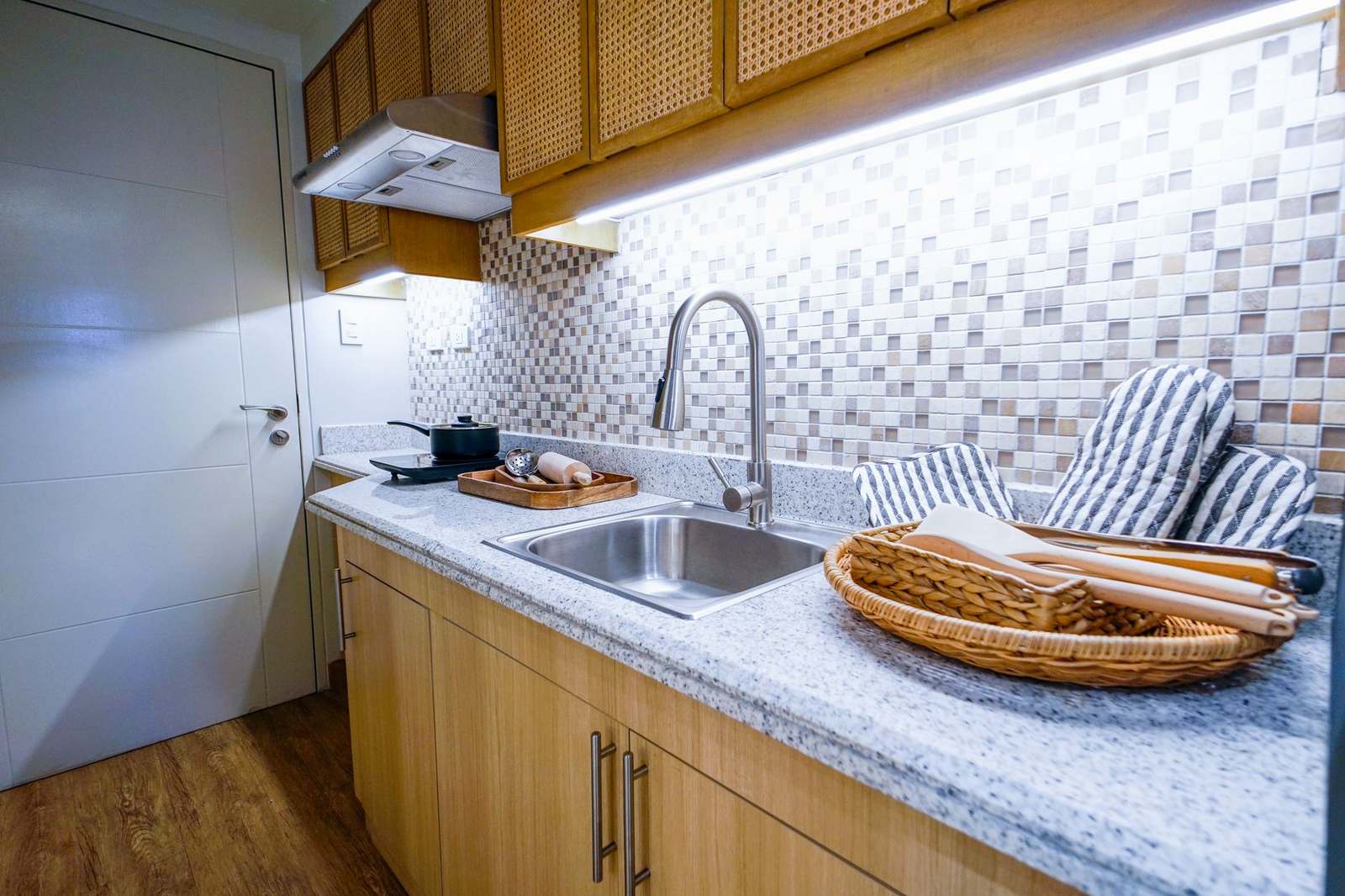
- Kitchen: extended stay properties include a stovetop, full-size refrigerator, microwave and basic cookware, while a standard room offers at best a kitchenette with a mini-fridge and microwave.
- Housekeeping: standard rooms get daily service, while extended stay suites run on a weekly model with a deeper clean.
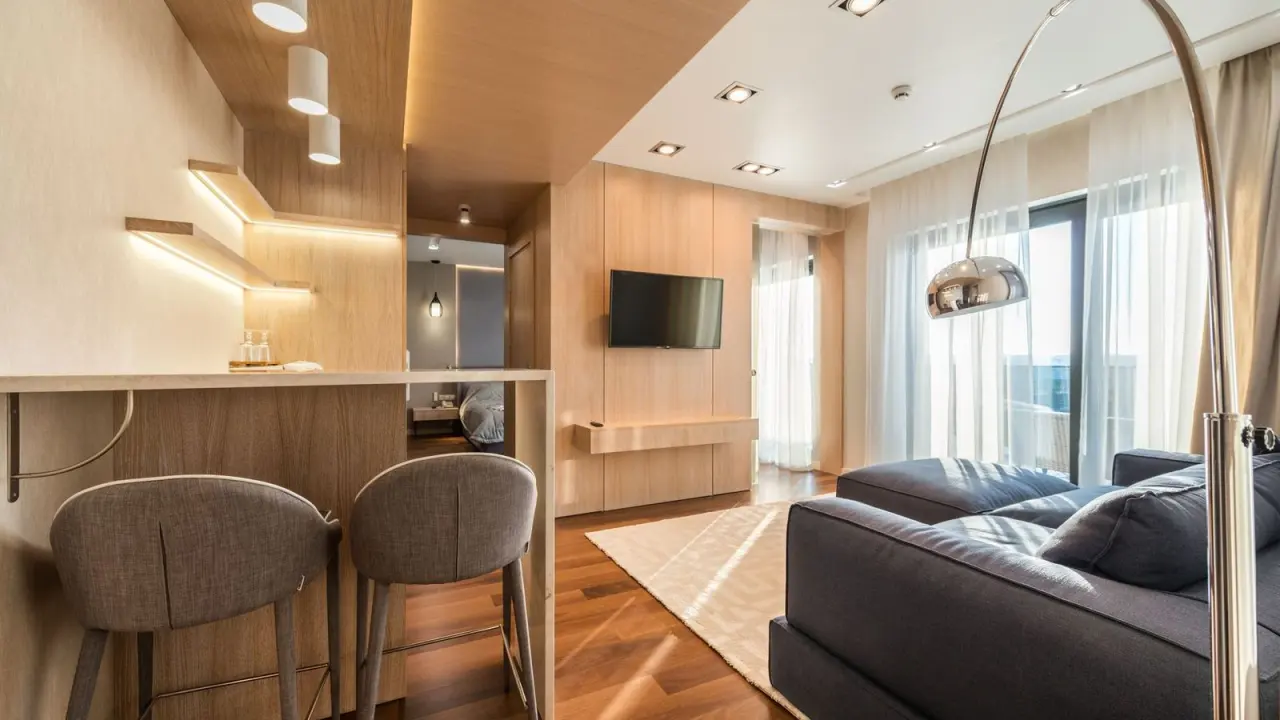
- Workspace: suites include a dedicated desk area and separation from the sleeping area.
- Rate structure: standard rates are set per night, while extended stay rates step down the longer you stay.
Kitchens vary by brand, so look at the detail. WoodSpring Suites, for example, says on its business travel page that each room has a full-sized refrigerator, a two-burner stovetop, a microwave oven and a freezer, and that cookware can be bought at the front desk.
A CLC page from May 9, 2023 adds that utilities are included in the price at extended stay hotels and that many locations are pet-friendly. Suites also come in different layouts, and our guide to hotel room types explains the wider vocabulary of rooms and suites.
How extended stay pricing works
The nightly rate is not fixed. Sonesta’s guide says properties typically apply a weekly discount of 15-30% off the base nightly average, and a monthly discount of typically 35-45% below the base nightly rate.
Brands report their own numbers. WoodSpring Suites says on its business travel page that weekly rates save an average of 34% each night and monthly rates about 44% per night.
For a sense of the total, Sonesta says a 30-day stay at its ES Suites brand typically costs between $2,800 and $5,600 all-in, depending on market and season, in its 30-day cost guide. Treat that as one brand’s range, not a market average.
The long-stay tax exemption
Some places waive local hotel tax on long stays. Sonesta’s July 9, 2026 post gives San Francisco as an example, where the 14% hotel tax is waived once a stay hits 30 consecutive nights.
A CLC page dated May 9, 2023 said states such as Texas and Ohio do not charge taxes if you stay over 30 days. Rules differ by place and can change, so ask the hotel which tax exemption applies to your booking. The same page suggests this approach:
- Tell the hotel before your trip or at check-in, in writing, that you plan to stay 30 days or longer.
- Sign the registration card showing that intent.
- Stay the full length of the reservation, because the exemption depends on it.
Extended stay hotels vs. rentals and corporate housing
Extended stay hotels sit between a regular hotel and an apartment. The Sonesta 30-day cost guide (June 15, 2026) says a short-term home rental can offer monthly discounts, but cleaning and service fees on a monthly booking sometimes run $200 to $400.
The same guide notes that home rentals often offer more square footage and private in-unit laundry, while its own ES Suites brand has shared guest laundry. It also says the hotel recalculates a bill by the actual nights stayed if you leave early, whereas home rental policies may be written to protect the host. Policies differ by property, so read the terms.
Corporate housing is a third option. A CLC page quotes the Corporate Housing Providers Association as defining it as “fully furnished temporary housing, typically in an apartment setting”, usually for 30+ days. The page adds that extended stay hotels are often near a major airport or freeway, away from residential homes.
What should you check before you book?
WoodSpring Suites’ amenities guide suggests starting with four things:
- An in-room kitchen, and what it actually contains.
- On-site guest laundry, including where it is and how payment works.
- Reliable Wi-Fi, including any usage limits.
- A weekly rate that makes your total cost predictable.
The same guide offers a day-19 test: ask whether you would still care about a feature on day 19. A pool or a stylish lobby may fade in importance, while a kitchen, laundry room and dependable Wi-Fi keep paying off.
Check the details that add up over weeks. The guide points to pet fees, which can mount with a nightly charge, and to parking, which it says can matter more than a long list of recreational amenities.
It also says a budget extended stay without a pool or restaurant can be a feature rather than a flaw, because those costs show up somewhere. That is a different idea from a design-led property, which our explainer on what is a boutique hotel covers.
Frequently asked questions
How many nights make an extended stay?
Show answer
One widely used definition is five consecutive nights or longer, according to Sonesta’s guide dated July 9, 2026. Individual brands may set their own rules.
Do extended stay hotels have kitchens?
Show answer
Many do, according to WoodSpring Suites’ amenities guide. It advises checking what the kitchen contains and whether cookware is included or sold separately.
Is housekeeping daily?
Show answer
Usually not. Sonesta’s guide says extended stay suites run on a weekly model with a deeper clean, and that fresh towels are available on request at most properties.
Can I avoid hotel tax on a long stay?
Show answer
Sometimes. Sonesta’s July 9, 2026 post cites San Francisco, which waives its 14% hotel tax once a stay hits 30 consecutive nights. Rules vary by place, so ask the hotel before you book.