
Not sure which of the types of hotels fits your trip? Hotels are sorted by star rating, ownership, size and service level, and knowing those labels tells you what to expect. Start with luxury, resort, boutique, business or extended stay.
| Item | Value |
|---|---|
| Tiers on the STR Chain Scale | Six tiers, from Luxury to Economy |
| Share of hotels that are independently owned | Less than 40% |
| Small hotel size | Fewer than 75 rooms |
| Medium hotel size | 75 to 300 rooms |
| Large hotel size | More than 300 rooms |
| Typical stay an extended-stay hotel targets | Five days or greater |
These figures come from CrowdStreet’s guide to the four major hotel types and Mews’s hotel classification article, published March 5, 2026. Definitions vary and figures can change, so check the source before you rely on them.
How are hotels classified?
Hotel classification is the framework that tells you what to expect before you book. A hotel technology glossary says hotels are typically classified by factors such as level of service, amenities and the details of the property (Canary Technologies).
There is no single correct system. CrowdStreet notes that categorizing hotels can be an art and a science, so definitions vary within the industry.
The range is wide, from small, family-run B&Bs to large, all-inclusive big-brand resorts. A hospitality school’s guide lists 7 common hotel classifications and puts star rating first (Les Roches).
In practice, the same hotel usually fits several labels at once. These are the most common lenses:
- Star rating, which signals the general level of service.
- Ownership, such as chain, franchise, independent or managed.
- Size, measured in rooms.
- Service level, such as full service or limited service.
- Target market, such as business travelers, leisure tourists or families.
- Niche, such as luxury, resort, boutique or extended stay.
Clear labels set expectations before a booking is made, which helps guests compare properties and budget with confidence, according to Mews. When expectations match reality, the same article says, dissatisfaction drops and review scores improve.
Star ratings and what they signal
The star rating is the label most travelers know. Even so, there is no universal standard for these ratings, a point both a hotel technology glossary (Canary Technologies) and a hospitality school (Les Roches) make.
That means a star count is a rough guide, not a guarantee. For a closer look at how the scale works, see our guide to hotel star ratings explained.
What usually goes into a rating
Several factors are typically considered, according to Canary Technologies:
- Room details such as square footage, furniture quality and in-room amenities.
- Guest services such as reception, concierge, valet parking and room service.
- Dining options, including on-site restaurants and the variety of cuisines.
- Location, meaning proximity to key attractions and transportation hubs.
The broad bands
A five-star hotel is usually considered luxury, with top-notch restaurants and extra services such as valet and room service (Mews). Hotels in the three-to-four-star range are more mid-range and appeal to a wide audience.
One-to-two-star hotels are designed to meet guests’ most basic needs, such as a clean, reasonable place to sleep. The same source says they appeal to the most price-sensitive travelers, and that amenities can vary by property.
Types of hotels by niche
The other familiar way to sort hotels is by what they are built to do. A hotel’s niche tells you the atmosphere and facilities you are likely to find, and the examples below follow Canary Technologies’ glossary.
Luxury hotels
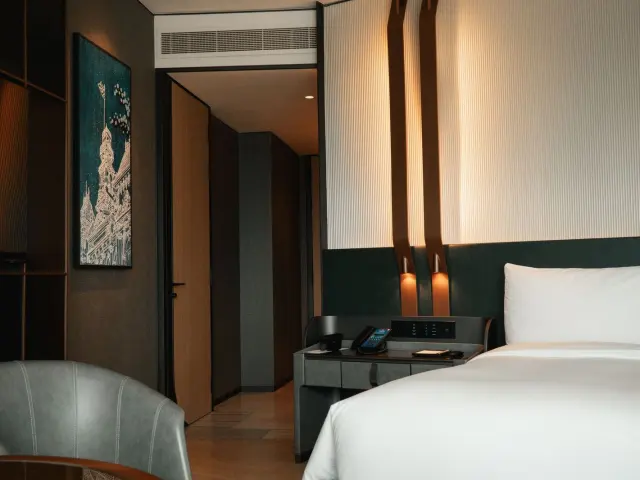
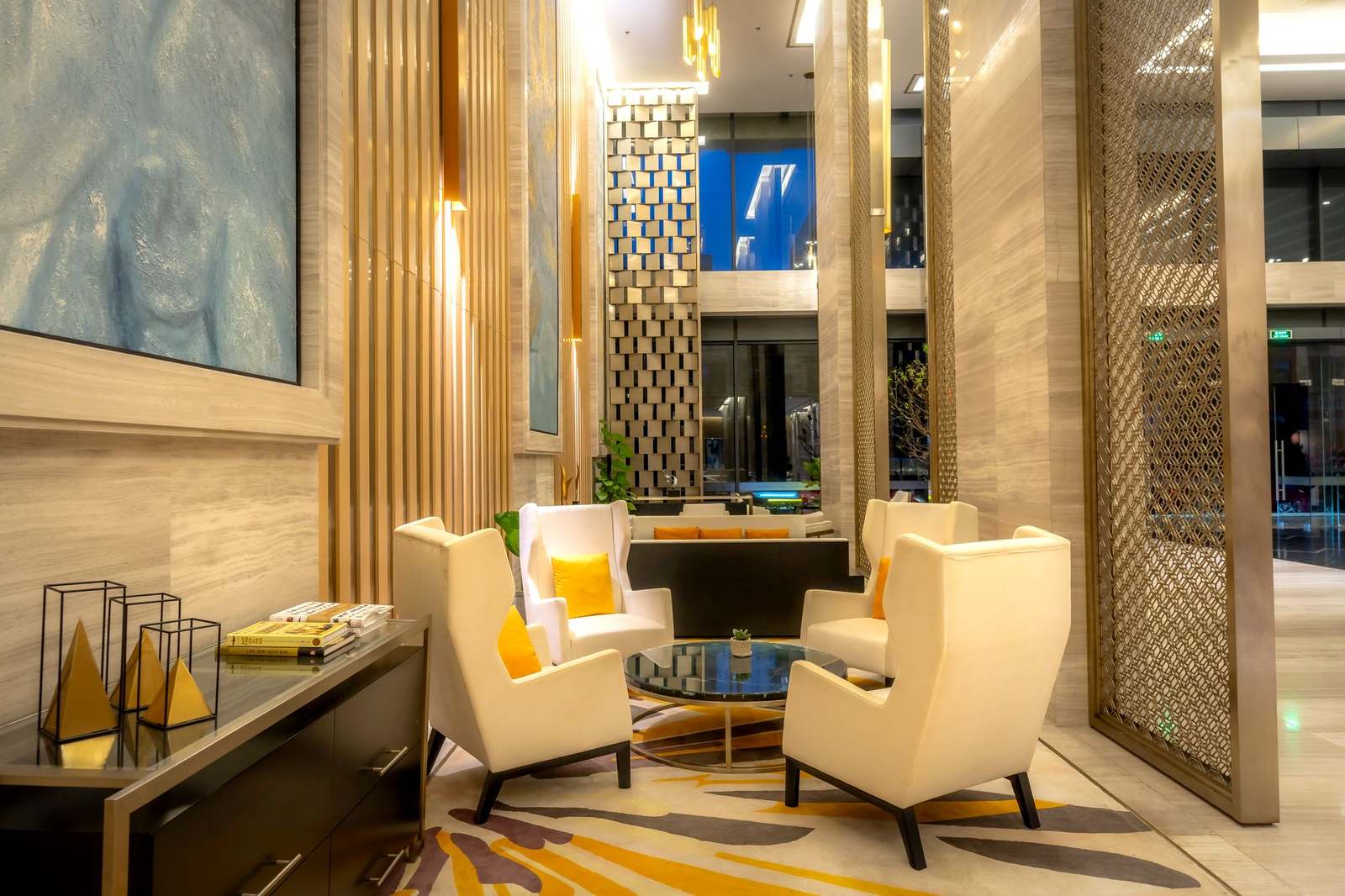
Luxury hotels combine opulence with exceptional service, extensive amenities, fine dining and spacious rooms. They cater to high-end travelers who expect an elevated experience as the default.
Resort hotels
Resort hotels are typically nestled in scenic locations. They offer a full range of leisure facilities such as pools, fitness centers and on-site entertainment, giving you a localized vacation experience.
Boutique hotels
Boutique hotels are often smaller in size, with a unique design aesthetic and personalized service. They suit travelers who want an intimate, stylish stay. If that sounds like you, read what is a boutique hotel for more detail.
Business hotels
Business hotels sit near prominent business districts. They provide amenities for professional travelers, such as conference rooms and coworking spaces.
Extended-stay hotels
Extended-stay hotels are geared towards longer stays. They feature kitchenettes or in-room kitchens, laundry facilities and a more residential feel.
These properties are designed for guests staying five days or greater, and they typically offer discounts for longer stays and quote weekly rates (CrowdStreet). Our page on extended stay hotels covers the format in more depth.
Bed and breakfasts and hostels
Two smaller formats sit alongside hotels. Bed and breakfasts offer a homey atmosphere and are often in historic buildings. They typically include complimentary breakfast, afternoon activities and amenities that highlight the local area, such as bike rentals (Canary Technologies).
Hostels are the most budget-friendly accommodation type. They are typically dorm-style or private rooms with shared bathrooms, and they tend to attract a younger crowd that wants to meet other travelers.
Full service, select service and limited service
Another common split is by service level. Using the range of services and amenities plus a hotel’s position on the Smith Travel Research (STR) Chain Scale, CrowdStreet groups hotels into four major types (CrowdStreet).
| Type | What you typically get | Typical Chain Scale position |
|---|---|---|
| Full service | On-site restaurants, banquet and meeting rooms, concierge service, spas, gyms and retail shops | Upscale, Upper Upscale and Luxury |
| Select service | More amenities than limited service, fewer than full service | Between the two |
| Limited service | Often no room service, on-site restaurant or concierge; may have meeting rooms, a fitness center and sometimes a pool | Economy, Midscale and Upper Midscale |
| Extended stay | Weekly rates and discounts for longer stays | Generally Economy |
The table summarizes the service-level types described by CrowdStreet and Canary Technologies. Categories and amenities can change by property, so check the source before you rely on them.
A full-service hotel offers nearly everything a guest could need on site, from dining to laundry to spa services. The same source adds that its success is highly sensitive to the quality of its food and beverage services.
Limited-service hotels focus on comfortable rooms at a more affordable price. This group often includes budget hotels with a no-frills approach and low rates as their main offer.
Select-service hotels blend the two. It is a fairly new term in the industry, and a growing segment because it offers some full-service in-room amenities while keeping prices low.
The STR Chain Scale
The Chain Scale divides hotels into six tiers based on average daily room rate (CrowdStreet). As hotels offer more amenities and services, they move up from economy to luxury. The tiers, from top to bottom, are:
- Luxury
- Upper Upscale
- Upscale
- Upper Midscale
- Midscale
- Economy
Chains, franchises and independents
Ownership shapes how a hotel runs and what it feels like. A chain offers consistent services across all locations, which appeals to travelers who value reliability and a familiar experience, per Mews.
Hotels are increasingly owned by large chains and run by franchisees, mainly because of acquisitions over the last 30 years. CrowdStreet reports that less than 40% of hotels are independently owned (CrowdStreet).
Mews describes three ownership models:
- Franchise properties operate under established brand standards while remaining locally owned.
- Independent hotels retain full control over every decision without corporate oversight.
- Managed properties separate ownership from day-to-day operations, with a management company handling operations.
If you want to see how owners, operators and brands fit together on the business side, start with hospitality business basics.
Size bands
Size often tracks ownership, though not always. In Mews’s article, independent hotels typically have 100 rooms or fewer, while chains often range from over 100 up to 700 rooms (Mews).
The same article gives three common size bands:
- Small: fewer than 75 rooms, with personalized service where staff recognize returning guests.
- Medium: 75 to 300 rooms, balancing efficiency with personal attention.
- Large: more than 300 rooms, with standardized operations and technology that reduce the focus on personal service.
These bands overlap with the independent and chain ranges because definitions vary. Treat them as a rule of thumb for what a stay might feel like, not a hard rule.
Using these labels to choose a hotel
You can turn all of this into a short checklist. Work through it in order and the shortlist usually narrows quickly.
- Decide the purpose of the trip. Business travelers, leisure tourists and families are the target markets hotels are designed around.
- Pick a service level. Full service suits you if you want on-site dining, spa and concierge, while limited service suits you if you only need a clean room at a lower rate.
- Read the star rating as a rough guide. Check which factors, such as location and dining, matter most to you.
- Consider size and ownership. A small independent property tends toward personal service, while a large chain tends toward consistency.
- Check the details. Compare hotel room types, and read what is a suite hotel if you want extra space.
Before you book, review the common hotel amenities so you know what is worth paying for. Then confirm standard hotel check in and check out times to avoid surprises on arrival day.
Guest feedback fills the gaps that labels leave. Our guide on how to read hotel reviews shows how to weigh it, and our hotel travel tips collect more planning advice.
Frequently asked questions
How many types of hotels are there?
Show answer
The number is almost endless, according to a hospitality school’s guide (Les Roches). Chain, boutique, motel, extended-stay, economy and luxury are only some of the labels in use, so it helps to group them by star rating, ownership, size, service level and niche.
Is there one global star rating standard?
Show answer
No. A hospitality school says there is no one global standard or governing body for star ratings (Les Roches). Treat stars as a general guide and check the amenities of the specific property.
What is the difference between full-service and limited-service hotels?
Show answer
Full-service hotels usually offer an extensive list of guest services, such as on-site restaurants, meeting rooms, concierge service, spas and gyms. Limited-service hotels often lack room service, on-site restaurants and concierge services (CrowdStreet).
Who are extended-stay hotels for?
Show answer
They are designed for guests staying five days or greater, such as business travelers on long assignments or families relocating (CrowdStreet). They typically offer discounts for longer stays and quote weekly rates.